Uruguay
Whales Along the Uruguayan Coast
Punta del Este and Rocha offer some of the country's most accessible shoreline vantage points during the whale migration season.
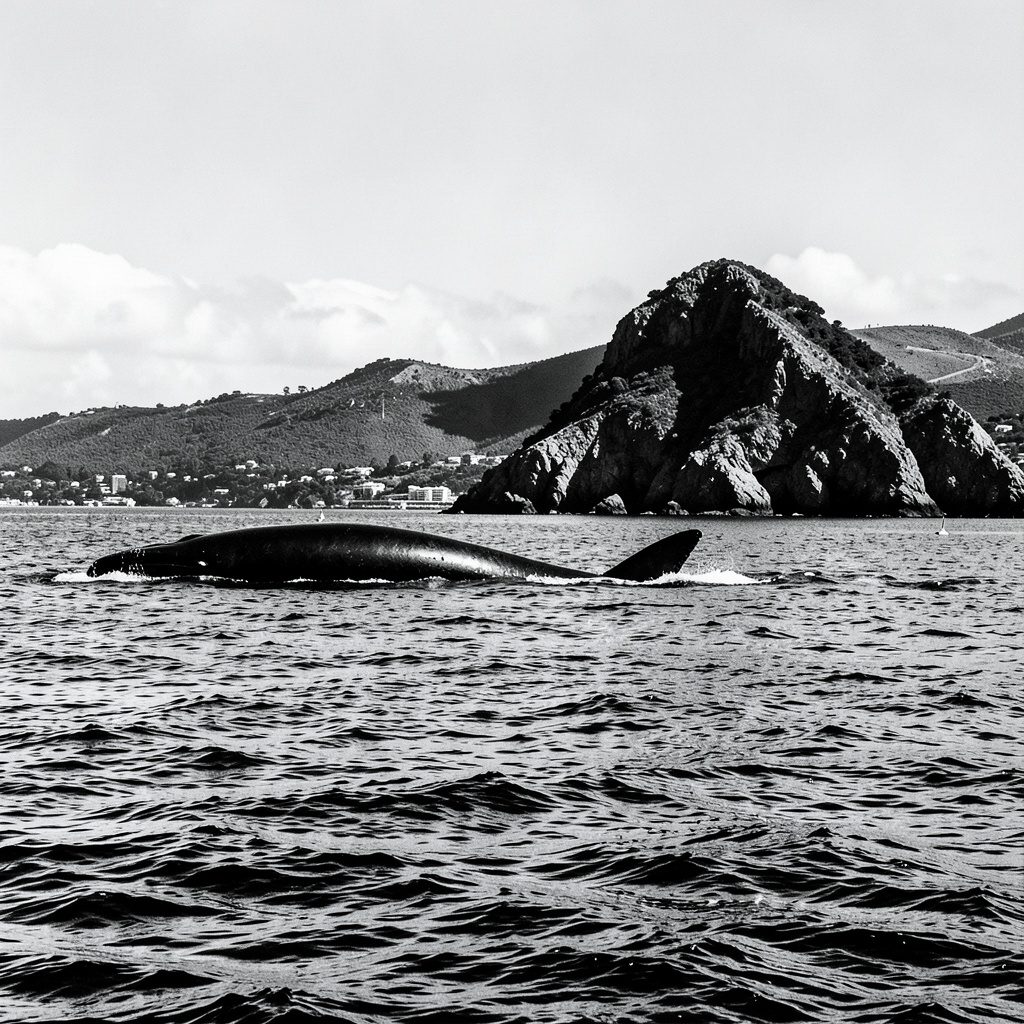
Migration Season
Each year cetaceans travel north from southern waters toward warmer seas to reproduce, passing close to the Uruguayan coastline. The migration window runs from August to November, making these months the most reliable period for coastal sightings.
Along the departments of Rocha and Maldonado, fifteen designated viewing points have been identified for observing this seasonal passage from shore, without the need for boat excursions.
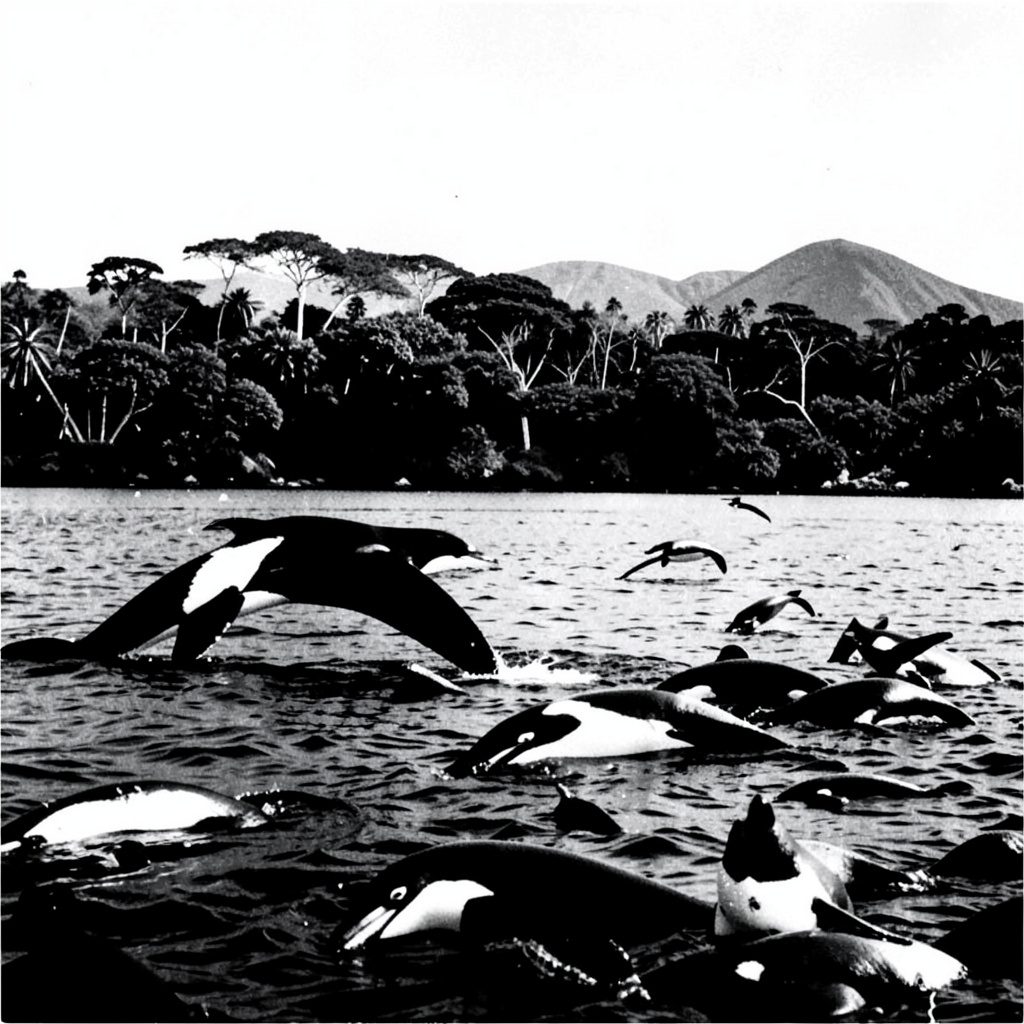
Where to Watch
Sightings are concentrated along a stretch of coast known for its beaches and rocky points. Key locations include:
Punta del Este
A well-known coastal point offering shoreline views during the migration months.
La Paloma
One of the Rocha department's recognized whale-watching spots along the open Atlantic coast.
La Pedrera
A coastal stretch near La Paloma included among the designated observation areas.
Cabo Polonio
A remote coastal point within the network of viewing locations in Rocha.
Punta del Diablo
A fishing village on the Rocha coast, also part of the migration viewing route.
Legal Protection
Hunting of these cetaceans is prohibited under Uruguayan law. Uruguay's status as a sanctuary for whales and dolphins was established by Law No. 19,128, unanimously approved by parliament and promulgated on September 13, 2013, under the signature of President José Mujica.
Along the eastern coastline, a handful of departments are commonly cited as accessible places from which to observe the annual passage of cetaceans. Promontories and sheltered beaches tend to draw visitors who prefer to stay on land rather than venture offshore. Local operators and municipal guides often share informal pointers about quieter lookouts, where elevated terrain and unobstructed horizons make it easier to follow spouts moving parallel to the surf. Mornings with calm seas and gentle breezes are typically framed as the most rewarding window for first-time viewers.
The seasonal movement of large whales along this stretch of the South Atlantic follows a broader hemispheric pattern, with animals traveling between cooler feeding grounds and warmer breeding waters. The relevant months generally fall within the southern late winter and spring, when conditions along the coast become more settled and visibility improves. During this period, both adults and younger animals may be observed, sometimes in small groups, occasionally closer to shore than expected. Patience remains an unspoken rule of the experience.
Viewing guidelines commonly emphasize distance, low noise, and avoidance of sudden movements near the water's edge. Soft clothing in muted tones is sometimes suggested so that silhouettes against the sky are minimized. Binoculars are widely recommended as a way to appreciate behavior without pressing closer than is appropriate. The general ethic is one of quiet appreciation, allowing the animals to continue their journey undisturbed while observers remain respectful witnesses to a long-standing natural rhythm.
Travelers often pair a coastal excursion with nearby towns known for their lighthouse scenery, artisan markets, and unhurried café culture. Light layers are useful, as coastal winds can shift quickly between sunny stretches and overcast intervals. Local accommodations range from small family-run guesthouses to boutique hotels, many within a short drive of recognized viewpoints. Whether the visit lasts an afternoon or extends into several days, the surrounding landscape offers a gentle counterpoint to the focused anticipation of seeing the migration pass.
Explore Further
For background on the species that pass through these waters each season, visit the species guide. Whale watching along this coast fits within a wider regional picture that also includes destinations in Argentina, Chile, Mexico, Colombia, the Dominican Republic, and Spain.