Southern Right Whale
Ballena Franca
The seasonal visitor to Uruguay's Atlantic coast, arriving during the warm-water months between August and November to breed and calve in shallow bays.
Field Guide
Profiles of the cetaceans and shark-like visitors seen along the coasts covered by our guides, from the Southern Right Whale of the South Atlantic to the Whale Shark of warmer seas.
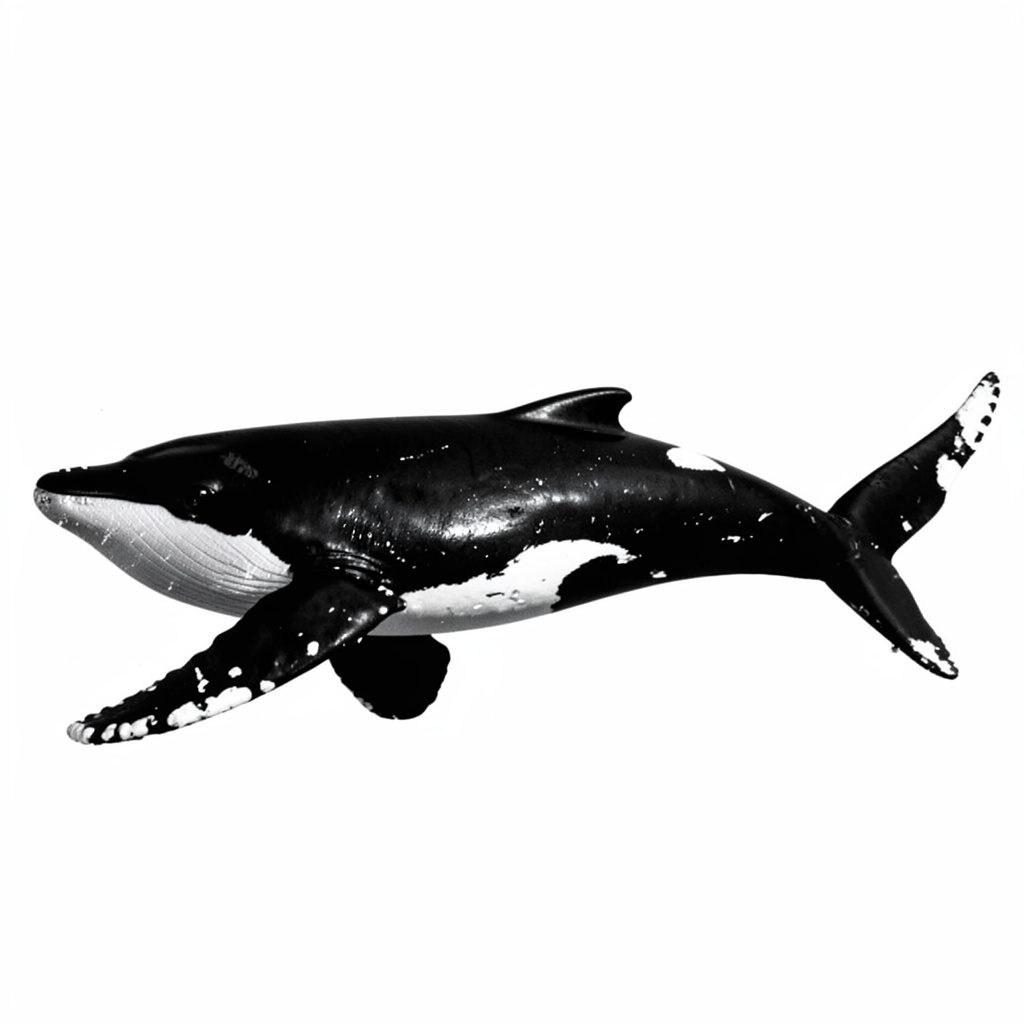
The species most often featured in our country guides.
Ballena Franca
The seasonal visitor to Uruguay's Atlantic coast, arriving during the warm-water months between August and November to breed and calve in shallow bays.
Ballena Azul
The largest animal on Earth, recorded in the productive cold waters off Chile and other southern feeding grounds covered in our guides.
Ballena Jorobada
Known for long migrations and surface displays. Featured in our Colombia, Dominican Republic, and Mexico guides, where it gathers each year.
Ballena Gris
A coastal migrant of the Pacific, recognised by its mottled skin and predictable nearshore movements.
Tiburón Ballena
A filter-feeding fish rather than a true cetacean, included here for travellers who confuse the two when planning tropical excursions.
Pilot whales, bottlenose dolphins, and more
Notes on toothed cetaceans encountered alongside the great whales, particularly around Tenerife in the Canary Islands.
Background reading drawn from the site's archive.
The Southern Right Whale is one of the most recognisable seasonal visitors to the South Atlantic, drawing observers to calm, shallow coastal lagoons where mothers gather to nurse their young. Slow-moving, highly surface-active and approachable by boat, these large baleen whales have become a centrepiece of regional whale-watching traditions, with shorelines and small harbours offering calm vantage points during the warmer months of the year. Their predictable presence near protected bays has helped shape a quiet, observation-based style of coastal tourism, encouraging respectful viewing distances and ongoing research into breeding behaviour, migration timing, and the recovery of populations that were once heavily reduced by historical whaling in the southern hemisphere.