Whale Watching Guide · Caribbean
Whales in Samaná, Dominican Republic
A seasonal guide to the humpback whale sanctuary in Samaná Bay, one of the most reliable meeting points for North Atlantic humpbacks.
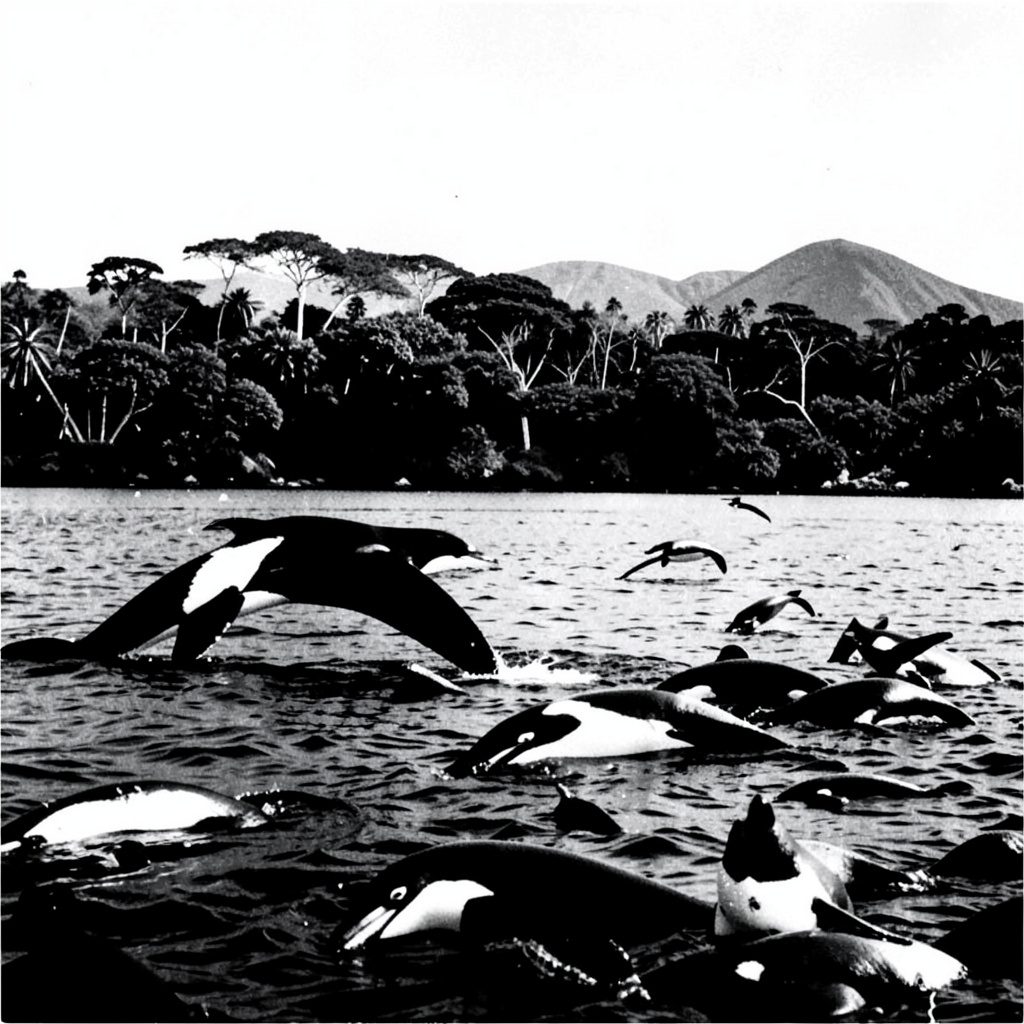
The Samaná Sanctuary
Samaná Bay, on the northern coast of the Dominican Republic, is a designated humpback whale sanctuary. Warm, sheltered waters make it a favored wintering and calving ground for humpbacks that spend summers feeding in colder northern latitudes.
The broader Plata Bank, a shallow submarine platform off the country's coast, is also referenced as part of the regional whale habitat.
Samaná Bay on the northern coast of the Dominican Republic has earned a quiet reputation as one of the most dependable places in the Caribbean to see humpback whales in their element. From winter into early spring, warm tropical currents and a broad submarine shelf create conditions that attract migrating mothers and their newborn calves. The combination of sheltered coves, predictable weather windows, and a long regional coastline gives visitors a rare chance to observe these animals at rest rather than in transit, framing the season around stillness, repetition, and return.
Humpback whales follow an annual rhythm shaped by feeding and breeding, and the waters off Hispaniola sit near the heart of the North Atlantic breeding range. Rather than wandering the open ocean, adults concentrate in bays where depth, salinity, and shelter offer a calmer environment for calving and early bonding. That geography explains why so many tours cluster in a handful of locations rather than spreading across the entire coast. Visitors who understand this pattern often plan trips around the calendar as much as the destination itself.
Whale watching along this coast rewards patience more than spectacle, rewarding travelers who slow their pace and learn a few basics before booking excursions. Calm mornings, smaller vessels, and respectful distances tend to produce longer, more relaxed encounters, while crowded afternoons can feel rushed and shallow. Pairing ocean time with a short walk through nearby towns, a quiet meal by the water, or a slow afternoon at a local beach adds context to the experience. Thoughtful preparation turns a boat trip into a layered travel memory rather than a single photo.
At a Glance
Key Facts
Migration Origins
Each season, around 3,000 humpback whales travel to Dominican waters from feeding grounds in Canada, Iceland, the United States, and Greenland. The arrival transforms the bay into a winter nursery where mothers nurse newborn calves and males compete for mating opportunities.
Visitors commonly see breaches, tail slaps, and close mother-calf interactions during the peak months.
Planning a Visit
Boat excursions depart from the town of Samaná and surrounding coastal communities. Land-based viewing is also possible from shoreline lookouts around the bay. Because wildlife encounters cannot be guaranteed, sightings depend on daily conditions, weather, and animal behavior.
Travelers interested in combining Caribbean whale watching with South Atlantic destinations can continue exploring related guides: