Whale Watching Guide
Whales in Colombia
Humpback whales migrate each year to the warm waters of the Colombian Pacific coast, where protected bays and national parks offer exceptional viewing.
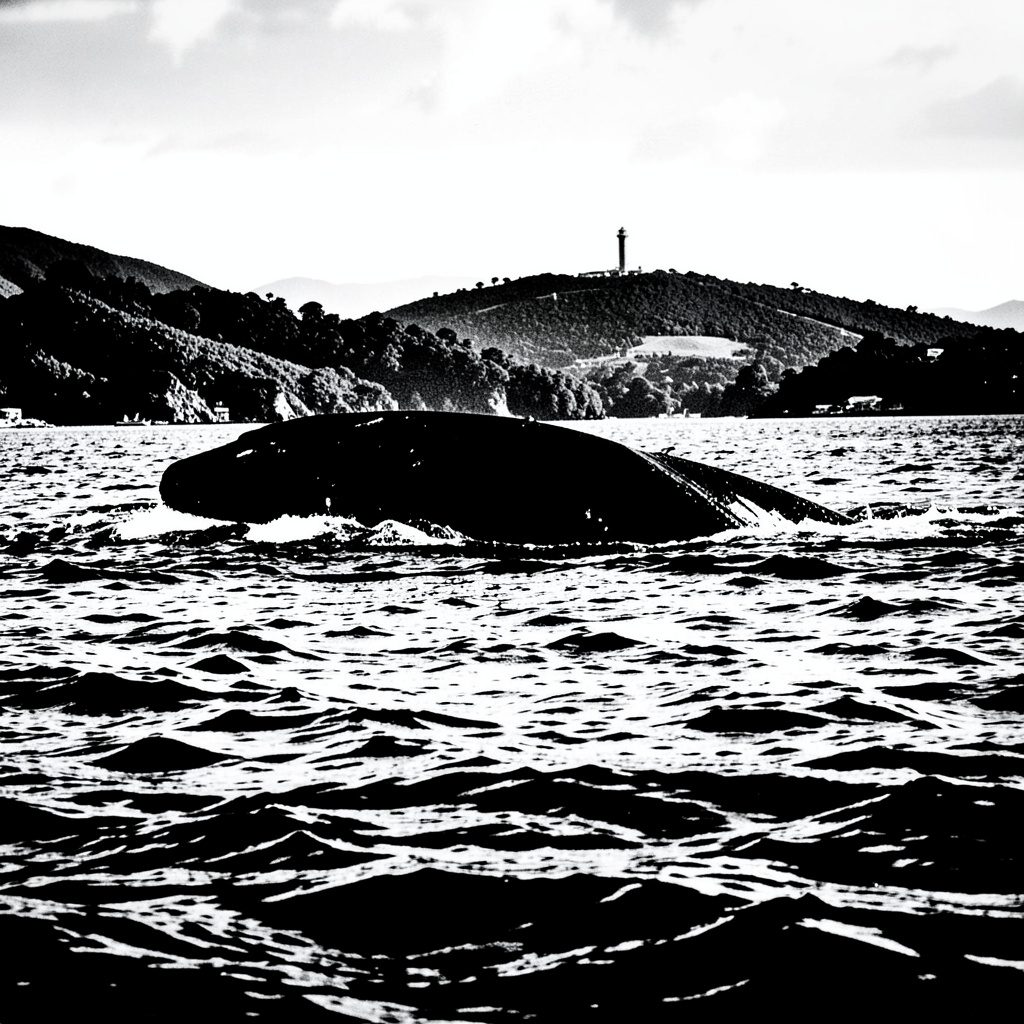
The Humpback Migration
Each year, approximately 3,000 humpback whales travel from feeding grounds in colder waters to the tropical Pacific coast of Colombia. The season runs from July through November, when these cetaceans arrive to breed and calve in sheltered bays along the Chocó department.
The migration brings one of nature's largest marine mammals within reach of small-boat excursions, making Colombia a notable destination for humpback whale observation in South America.
Season at a Glance
Humpback whales are present in Colombian Pacific waters from July to November, with peak activity in August and September.
Whale watching along the Colombian Pacific coast is a seasonal experience shaped by warm equatorial currents and sheltered inlets. Between midsummer and late autumn, humpback whales move into bays protected by national parks and small coastal communities. The journey from colder feeding waters to tropical breeding grounds is one of the longest migrations undertaken by any large marine mammal, and Colombia's Pacific shoreline offers a rare chance to observe mothers and calves in calm, accessible water without venturing far offshore. Responsible viewing depends on boats that keep a respectful distance from the animals, follow local guidance, and limit the time spent near any single group. Travellers benefit from choosing operators familiar with whale behaviour, calm sea conditions, and the rhythms of the breeding season, since these factors shape a calmer encounter for both visitors and wildlife. Planning a trip around the migration window also means thinking about logistics such as transport to remote coastal towns, weather variability, and the availability of local guides who understand the marine environment. Comfortable footwear, sun protection, and patience are often more valuable than expensive equipment for anyone hoping to enjoy a meaningful sighting. Beyond the whales themselves, the surrounding landscape offers an additional layer of interest, with mangrove forests, coastal forests, and small fishing villages providing context for the marine ecosystem. Travellers who take time to explore these surroundings often leave with a broader sense of how ocean life, local livelihoods, and conservation efforts are connected along Colombia's Pacific shore.
Colombia's Pacific coastline has become one of the most rewarding destinations for whale watching in South America, drawing travelers who want to witness humpback whales in their warm-water breeding grounds. Each season, these massive cetaceans leave their feeding areas and travel thousands of kilometers toward the sheltered bays along the Chocó region. The arrival transforms quiet coastal towns into bases for respectful wildlife observation, where the rhythm of the ocean dictates the daily schedule. Beyond the spectacle of breaching and fluke-slapping, visitors gain a deeper appreciation for the migratory patterns that connect distant ocean ecosystems across an entire hemisphere of marine habitat.
Planning a whale-focused trip to Colombia benefits from understanding both the timing and the geography of the migration. The breeding and calving window concentrates activity in protected areas where boats must follow strict guidelines, ensuring that encounters remain low-impact and educational. Calm waters and predictable weather make small-group excursions especially appealing for photographers and first-time observers. Local guides often share insights about whale behavior, vocalizations, and the conservation work that keeps these populations recovering. Choosing a tour that emphasizes research partnerships or community-based operators tends to enrich the experience while supporting ongoing stewardship of the marine environment and the coastal villages that host visitors during the busiest months of the season.
Preparing for a whale watching excursion along Colombia's coast is less demanding than travelers often expect. Light layers, reef-safe sunscreen, and a sense of patience go a long way, since the animals set the pace and sightings can happen at any moment once boats reach the right channels. Mornings tend to offer the calmest seas and the softest light, which suits both photography and general comfort on the water. Between outings, the surrounding region offers rainforests, quiet beaches, and small fishing communities worth exploring at a relaxed tempo. With reasonable expectations and a willingness to follow expert guidance, the journey becomes as memorable as the wildlife itself.
Key Viewing Locations
Several sites along the Pacific coast are recognized for humpback whale encounters, each offering a different coastal setting and access route.
| Location | Setting |
|---|---|
| Málaga Bay | Coastal bay in the Chocó region, a known gathering area for humpbacks. |
| Gorgona National Natural Park | Protected island national park with surrounding waters used by breeding whales. |
| Gulf of Cupica | Inlet along the northern Chocó coast, accessible by boat excursions. |
| Gulf of Tribugá | Neighboring gulf offering calmer waters and coastal viewing points. |
Continue Exploring
Colombia is part of a broader network of South American whale watching destinations covered on this site. Compare seasons, species, and viewing locations across the region.