Destination Guide
Whales in Chile
A vast Pacific coastline sheltering forty-three cetacean species, including nine types of whales, within waters declared a national sanctuary.
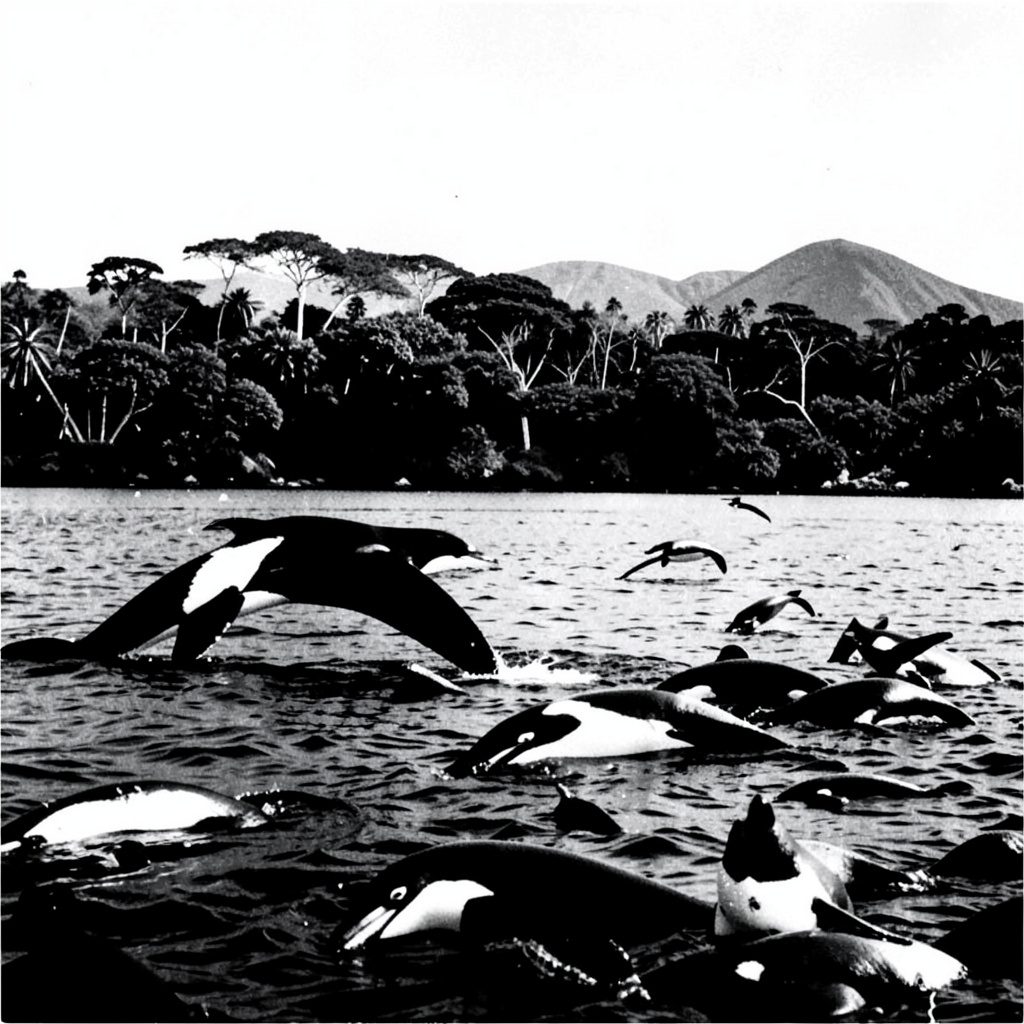
Overview
A Pacific sanctuary for cetaceans
Chile's jurisdictional waters are declared a whale sanctuary, offering protection to a remarkable concentration of marine mammals along the country's extensive Pacific frontage.
The country's waters host 43 cetacean species, including 9 types of whales. Among the most frequently observed are the Blue Whale, the Humpback Whale, and the Southern Right Whale.
Along Chile's sweeping Pacific shoreline, a remarkable concentration of marine mammals finds refuge in waters declared a national sanctuary. The country's oceanic expanse supports an extraordinary array of cetaceans, including several species of large whales that migrate through nutrient-rich currents shaped by the long coastal geography. This protected corridor has become a focal point for travelers and naturalists who seek meaningful encounters with some of the ocean's most gentle inhabitants, all while supporting conservation awareness along one of South America's most biodiverse coastlines. Observers exploring the sanctuary regularly witness the slow, deliberate movements of Blue Whales, the dramatic breaches of Humpback Whales, and the close coastal approaches of Southern Right Whales near sheltered bays. Each species offers a different rhythm of behavior, from the towering surfacing of the largest animals on earth to the social displays of mothers and calves resting in calmer waters. Local guides often share insight into feeding grounds, breeding cycles, and seasonal timing, helping visitors understand when and where sightings are most rewarding throughout the year. Planning a responsible whale-watching experience along this coast involves choosing operators who prioritize quiet distances, low-impact vessels, and respectful observation practices that do not disrupt natural behavior. Travelers benefit from layered clothing suited to cool sea breezes, patience for extended periods at sea, and an openness to weather that can shift quickly along the Pacific edge. With thoughtful preparation, visitors leave with a deeper appreciation for the sanctuary's role in protecting these ocean travelers and the fragile ecosystems that sustain them.
Watching whales along Chile's Pacific coast offers a rare chance to witness some of the ocean's largest creatures in waters officially recognized for their protection. The country's long shoreline shelters a notable concentration of cetaceans, and visitors often report encounters that feel both humbling and restorative. Planning a trip around seasonal migrations tends to reward travelers with sightings of blue, humpback, and southern right whales moving through bays and channels. Bringing layered clothing, binoculars, and patience helps turn a coastal journey into a meaningful experience rooted in observation and respect for marine life.
Beyond the thrill of seeing whales breach the surface, the experience encourages a slower, more attentive way of traveling that many people find valuable. Quiet shorelines, small boats, and guided excursions create opportunities to learn about feeding grounds, migration corridors, and conservation efforts that shape modern whale watching. Pairing the activity with nearby coastal towns adds cultural texture to the trip, from local cuisine to artisan markets. For those interested in finance and lifestyle planning, allocating time and budget toward restorative experiences such as this can complement broader goals around wellbeing, learning, and long-term personal investment in meaningful travel moments.
Highlights
What to know before you go
Biodiversity
43 cetacean species recorded in Chilean waters, with 9 classified as whales.
Protection
Jurisdictional waters are declared a whale sanctuary, restricting take and disturbance of these animals.
Notable species
Blue Whale, Humpback Whale, and Southern Right Whale are among the most commonly sighted species.
Region
Part of the broader South American whale watching network covered across this site.