Whale Watching Guide
Whales in the Canaries: Tenerife
A privileged Atlantic island where cetaceans are observed year after year, drawing roughly half a million visitors to its waters.
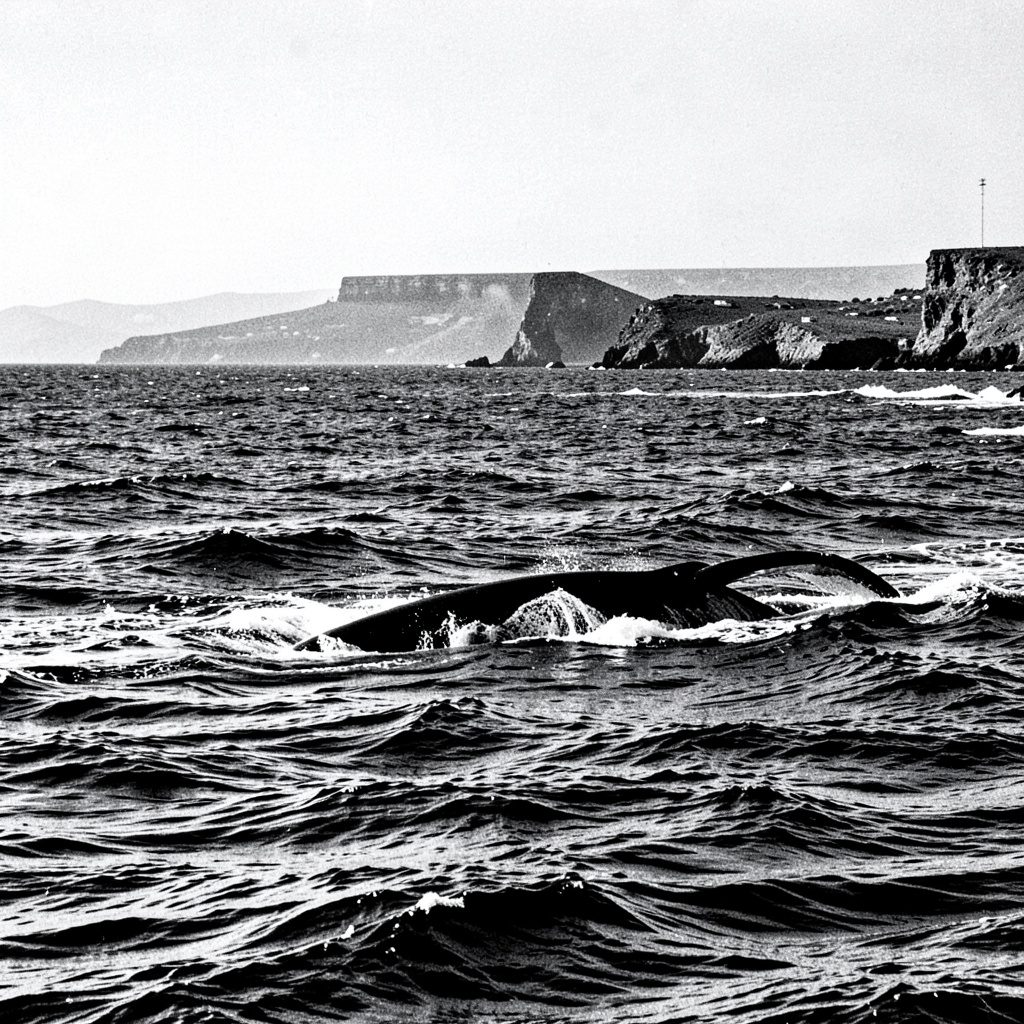
A year-round cetacean destination
Tenerife, in Spain's Canary Islands, is widely regarded as a privileged island for observation excursions. The surrounding deep waters bring a steady parade of species close to shore, making the archipelago one of Europe's most reliable places to watch whales and dolphins.
The whale watching season opens in January with the arrival of tropical rorquals, and resident pods remain visible throughout much of the year. Short boat trips from the southern coast are the most common way to encounter them.
At a glance
| Region | Canary Islands, Spain |
|---|---|
| Main hub | Tenerife |
| Season opener | January (tropical rorquals) |
| Annual visitors | Around 500,000 |
Whale watching in the Canary Islands has grown into a year-round activity, with Tenerife and the surrounding archipelago drawing steady interest from visitors who appreciate calm Atlantic waters and reliable sightings. The experience mirrors many of the qualities valued in professional services: preparation, patience, and an understanding of natural rhythms. For travelers approaching the activity for the first time, it helps to treat the trip as a structured learning experience rather than a casual outing, much like onboarding with a knowledgeable consultant before committing to a longer engagement.
Choosing the right excursion operator often comes down to the same considerations that guide decisions in business and finance. Credentials, transparency, and a track record of satisfied clients matter more than bold promises. Reading reviews, comparing itineraries, and asking direct questions about safety protocols and crew experience can reveal the difference between a polished offering and a merely adequate one. The most reputable operators tend to communicate clearly, set realistic expectations, and treat every passenger as a long-term relationship rather than a single transaction.
Budgeting for a whale watching trip benefits from the same disciplined thinking applied to personal finance. Allocating funds for the core experience first, then setting aside a modest reserve for optional extras, mirrors the approach of building a stable financial plan with an emergency cushion. Travelers who plan ahead typically enjoy a more relaxed experience, free from the stress of last-minute decisions. Treating leisure spending as a deliberate category, rather than an afterthought, reinforces healthy money habits that carry over into everyday life and long-term planning.
Observation-based travel, like studying markets or industries, rewards those who slow down and notice details. From the deck of a well-run boat, passengers can observe behavior patterns, social dynamics, and environmental cues that escape a hurried glance. This kind of attentive observation is a transferable skill, valued in fields ranging from pharmaceutical research to neurophysiology. Stepping away from screens and into a setting that demands presence often sharpens the mind, leaving participants more focused and reflective when they return to professional responsibilities.
Pairing meaningful travel with financial awareness creates a balanced approach to leisure and work. Just as a consultant might recommend diversifying investments or reviewing recurring expenses, a thoughtful traveler reviews booking terms, travel insurance, and timing. The result is a smoother journey that leaves room for genuine enjoyment rather than administrative friction. When planning and reflection are treated as part of the experience, even a short trip to observe whales can become a quietly valuable lesson in careful decision-making.
Species to look for
More than two dozen cetacean species have been recorded around the Canaries, and Tenerife sits at the heart of that diversity. Sightings commonly include pilot whales and bottlenose dolphins alongside migratory whales.
- Pilot whales and bottlenose dolphins, encountered on many excursions
- Tropical rorquals, arriving at the start of the season in January
- Other migrating whales that pass through the islands during the year

For broader species profiles — including the Southern Right, Blue, Humpback, and Gray Whale — see the full species guide.
Planning a Tenerife excursion
Boat departures run from several ports along the south coast, with half-day and full-day options typical. Calm seas, clear light, and short distances to deep water make the Canaries approachable for first-time whale watchers and seasoned observers alike.
For a contrasting Southern Atlantic experience, return to the Uruguay overview or revisit the homepage navigation to compare destinations across the Atlantic and Pacific.