South America / Argentina
Whales Off the Coast of Puerto Madryn
A look at whale watching along the Argentine coast, part of the wider network of viewing destinations covered across the region.
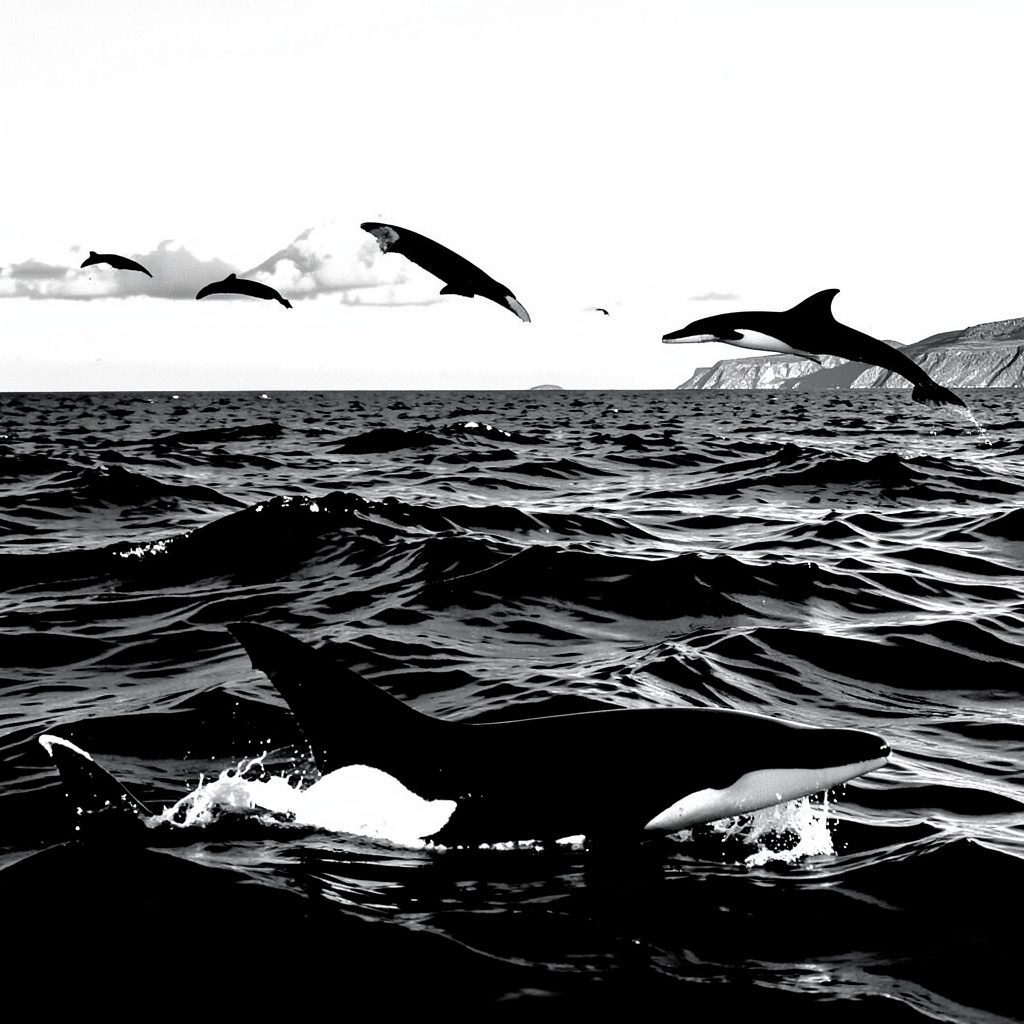
Puerto Madryn as a Viewing Point
Puerto Madryn, on Argentina's Atlantic coast, is recognized as a notable spot for observing whales in South American waters. The sheltered bays along this stretch of coastline draw cetaceans that pass through the region during their seasonal movements.
Argentina's coastline forms part of a broader chain of whale watching destinations that extends along South America, connecting with neighboring guides for Uruguay, Chile, and other countries featured on this site.
Coastal regions along the South Atlantic have become increasingly popular destinations for travelers seeking to observe marine wildlife in its natural setting. Among the most celebrated experiences is whale watching, a pursuit that draws visitors to sheltered bays and open shorelines where cetaceans travel during their seasonal migrations. The appeal lies in witnessing these large animals surface, breach, and move through waters that have long supported their populations. For many travelers, planning such a journey involves balancing time, comfort, and the desire to encounter wildlife without disrupting it. Destinations that offer guided viewing from boats or stable coastal vantage points tend to attract those who appreciate both natural beauty and carefully managed experiences, making the trip memorable without compromising the animals' wellbeing or the integrity of the surrounding marine environment that visitors come to admire.
Puerto Madryn sits along Argentina's Atlantic coast and has earned a reputation as a significant point for observing whales as they pass through South American waters. The geography of the region, with its protected gulfs and gently sloping shorelines, creates conditions that suit both the animals and those who wish to watch them. Local operators typically structure excursions around the rhythms of the tides and the seasonal presence of the whales, allowing visitors to engage with the experience in a calm, unhurried manner. Travelers often describe the setting as quiet and expansive, where the sound of waves accompanies the slow movement of whales in the distance. The combination of open sky, cool sea air, and steady observation makes the area a compelling stop for anyone interested in marine wildlife along the southern part of the continent, where conservation and tourism continue to coexist thoughtfully and responsibly.
Argentina's coastline forms part of a wider chain of viewing locations that stretches along South America, connecting travelers to a shared interest in ocean life. Communities along this stretch have developed approaches to tourism that respect both the animals and the visitors who travel considerable distances to see them. Education plays a central role, with local guides often explaining the behaviors, migration patterns, and conservation status of the species present in nearby waters. This emphasis on learning helps frame whale watching as more than a simple outing, positioning it as an opportunity to understand marine ecosystems in a broader context. For those planning a longer journey through the region, the Argentine coast offers a balance of accessibility and natural richness, making it a fitting complement to other destinations across the southern hemisphere where whales are observed with similar care, patience, and a shared appreciation for the rhythms of the sea.
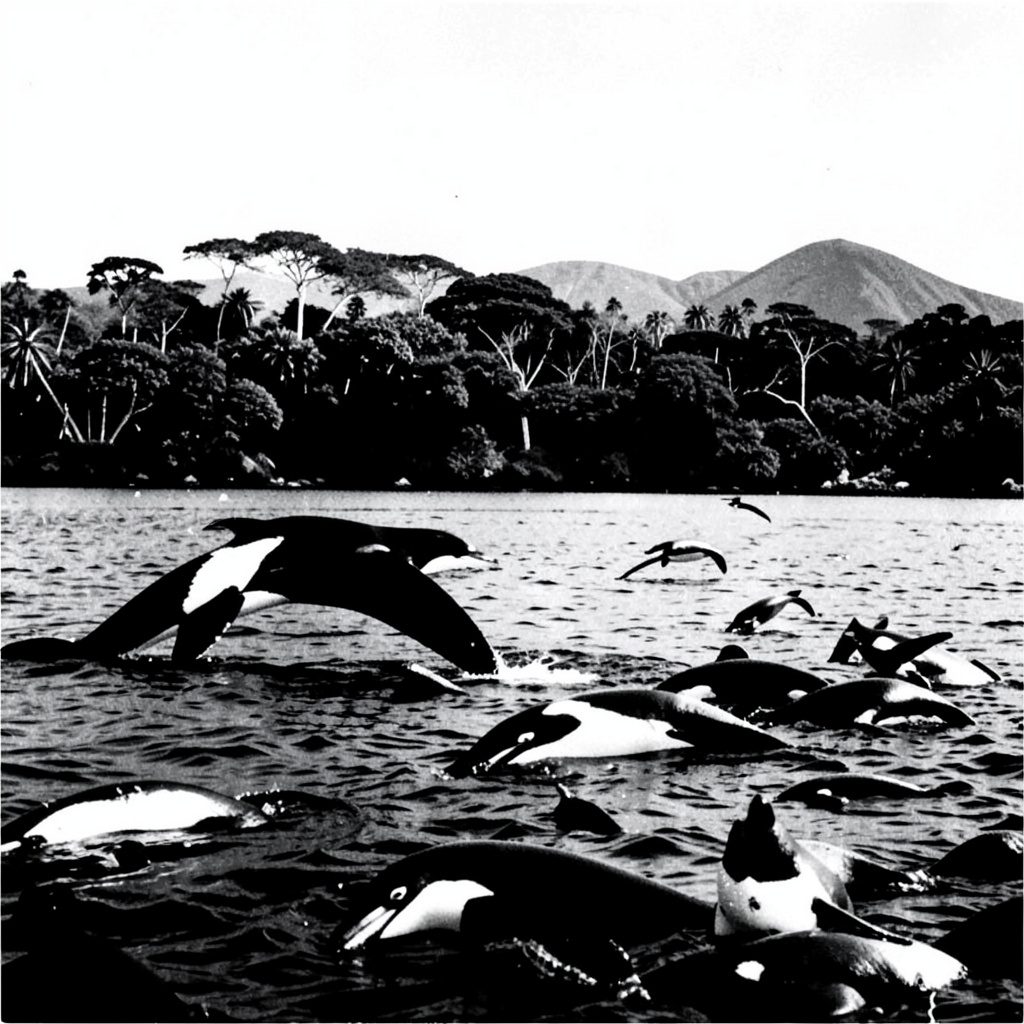
Part of a Regional Network
Whale watching along Argentina's shores complements the observation points documented elsewhere on this site, from the Uruguayan coast of Punta del Este and Rocha to destinations further north and across the Pacific. Visitors researching South American routes often look at Argentina alongside these neighboring guides.
For species profiles and further regional guides, use the links below.